







Search Results for: Refrigeration Time
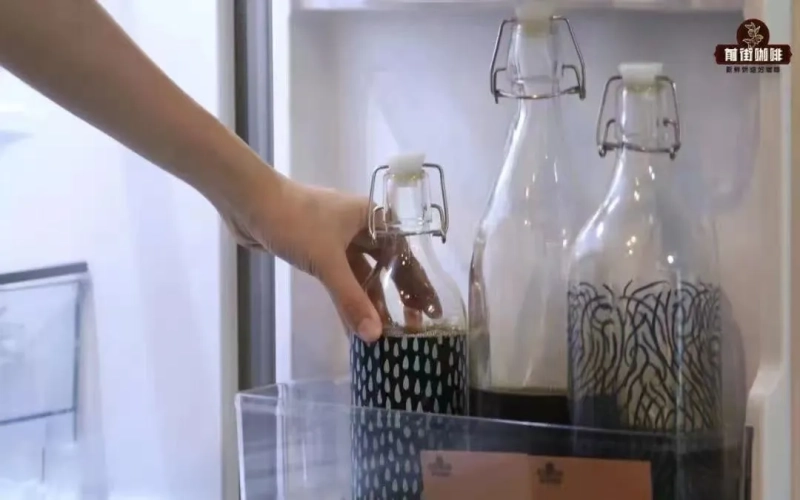
Cold Brew Coffee Shelf Life Fully Explained: How Long Is Best to Finish It Under Refrigeration and Sealed Storage?
More and more people are making cold brew coffee in the summer—brewing a big batch at once and keeping it in the fridge to drink slowly is indeed convenient. But problems come along with it: how many days can this batch of cold brew actually last? When does the flavor start to decline? When might it spoil? Front Street Coffee, drawing on hands-on testing experience, lays out clearly the shelf life of cold brew coffee, the optimal drinking window, the impact of how often it's opened, and the special precautions when using warm water to speed up extraction—helping you both enjoy good flavor and hold the safety line. [more…]
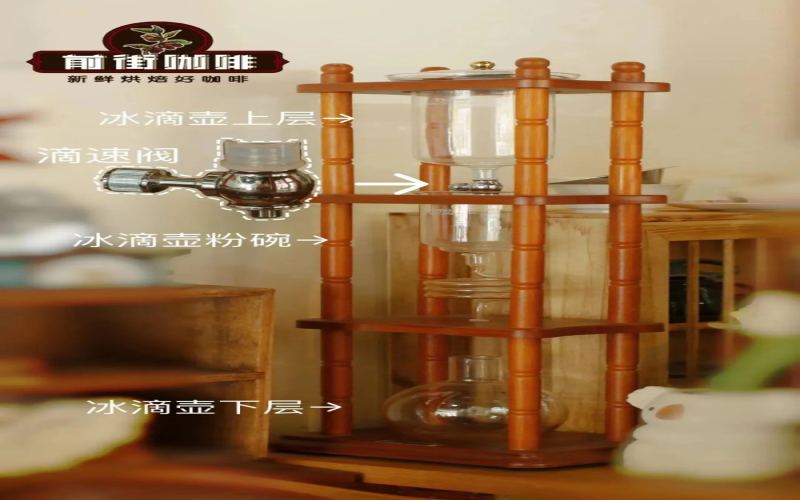
Cold Brew Drip Coffee Maker Practical Guide: From Extraction Principles to Coffee Bean Selection and Refrigeration Storage Tips
With its pure, smooth taste and unique fermented aroma, cold drip coffee has become a highly favored coffee beverage in summer. Starting from the hands-on practice at Front Street Coffee's stores, this article systematically sorts out the differences between cold drip and cold brew, the assembly structure of a cold drip tower, and the methods for setting grind size and drip rate. It also recommends three coffee beans suitable for making cold drip, and finally explains the optimal refrigeration period and flavor change patterns of cold drip coffee, helping enthusiasts recreate a cup of richly layered cold drip coffee at home. [more…]
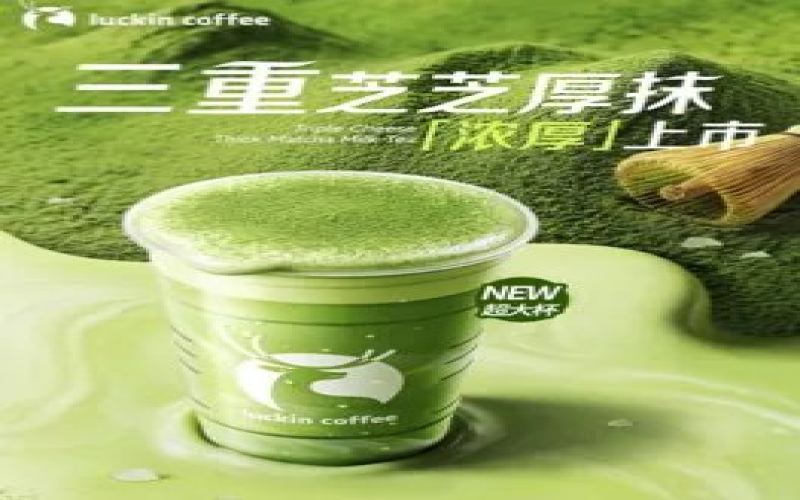
Luckin's new matcha cloud top solidifies into blocks after refrigeration, multiple stores urgently halt sales
Luckin Coffee recently launched a new product, "Triple Cheese Thick Matcha," featuring a combination of thousand-mesh-grade matcha and a daily freshly whipped matcha cloud top, attracting a large number of matcha lovers to place orders and try it out. However, shortly after the new product hit the market, many consumers received notices that stores had canceled orders or showed it as sold out. The reason was not that demand exceeded supply, but that the matcha cloud top prepared in advance by stores developed an abnormal solidification after refrigeration—the milk cap that should have been fluid turned into a solid texture resembling dry choking yogurt or matcha cement, and even when the container was turned upside down, it did not move at all. Management in many places had to urgently notify stores to suspend sales depending on the situation. Was it a formula problem or an error in the operation process? Luckin's R&D department was also collectively criticized by frontline employees because of this. [more…]
An Analysis of the Differences Between Ice-Brewed and Cold Brew Coffee: Extraction Principles, Flavor Profiles, and Refrigeration Shelf Life
Ice brewed coffee and cold brew coffee are often confused with each other, but the two actually have their own nuances in terms of extraction method, time control, and flavor presentation. Ice brewing, or ice drip, uses a mixture of ice and water for slow drip filtration, takes several hours, and requires sealed aging; cold brew, on the other hand, uses cold water immersion, has simple equipment, and produces a mellow flavor. This article compares the key production points and taste differences of the two in detail, and answers the question about refrigeration storage time—ice drip is recommended to be consumed within three days, while cold brew can be kept for up to five days. At the same time, combined with Front Street Coffee bean recommendations, it helps enthusiasts choose beans such as Butterfly, Sherry Barrel, or Sun-Dried Huakui according to their preferences, making satisfying iced coffee at home with ease. [more…]

From Grinding to 8 Hours of Refrigeration: A Complete Illustrated Guide to Making Cold Brew Coffee and a Detailed Explanation of the Coffee-to-Water-to-Ice Ratio
Following yesterday's sharing of the cold brew coffee method, today we turn our attention to the more challenging ice drip coffee. Compared to the simple soaking of cold brew, ice drip demands more attention to equipment, steps, and time investment, requiring more patience and meticulous operation. This article will use a combination of text and images to fully demonstrate the entire process of ice drip coffee, from equipment preparation, filter paper placement, coffee bed moistening, ice-water ratio, to drip rate control and refrigerated maturation, and will explain the 1:6:6 ratio of coffee powder to water to ice used this time and the Front Street recommended Honduras Sherry bean. Even without specialized ice drip filter paper, there is an alternative cutting solution. Follow the steps, and after a long wait, you can enjoy a cup of ice drip coffee with distinct layers. [more…]
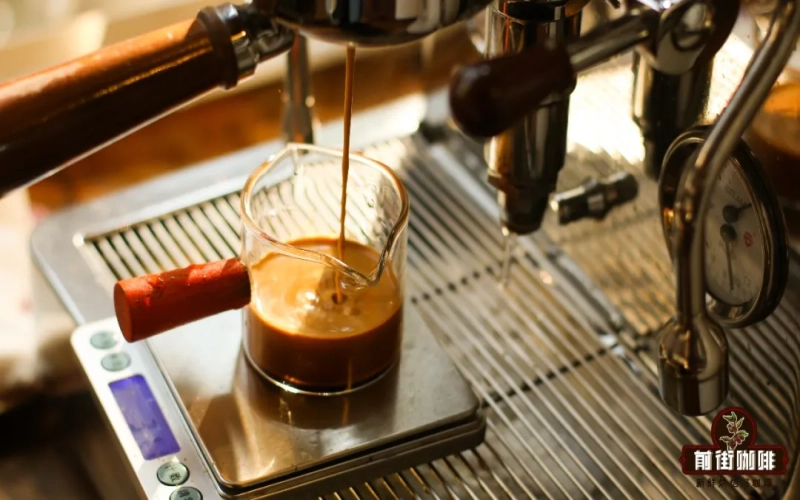
Can Overnight Refrigerated Espresso Still Be Drunk? A Taste Test of Flavor Differences Between Refrigeration and Freezing
If the brewed espresso isn't finished on the same day, can it be safely stored in the fridge or freezer overnight and still be enjoyed the next day? Beyond food safety concerns, what coffee lovers really care about is whether the flavor will take a serious hit. Front Street Coffee used the same espresso blend, storing espresso in the refrigerator and freezer overnight respectively, then comparing them with freshly brewed espresso—tasting each as straight espresso, Americano, and milk coffee—to see just what overnight coffee turns into, and how big the gap is between freezing and refrigerating. [more…]
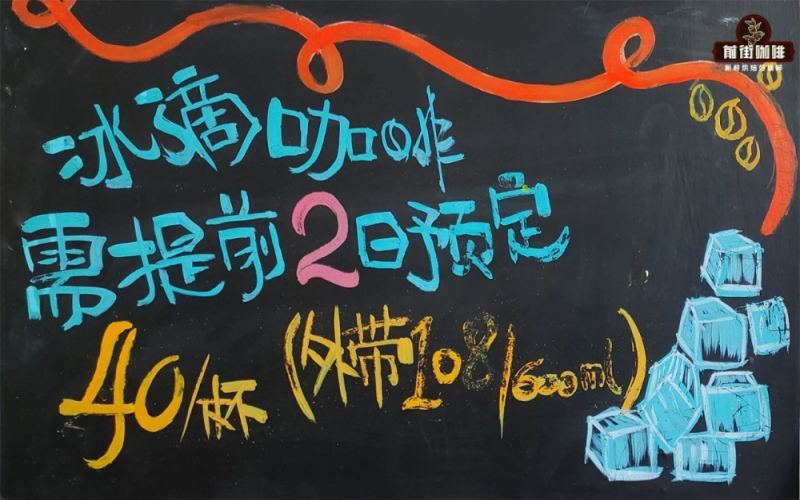
Detailed Explanation of Cold Brew Coffee Refrigeration Shelf Life: Can Iced Coffee Be Heated and How Does the Taste Change?
In the cold of winter, cold drip coffee remains favored by many coffee enthusiasts. This article provides a detailed explanation of the differences between cold drip coffee and cold brew coffee, key production points, refrigeration storage time, and how the taste of iced coffee changes after heating. The article also shares Front Street Coffee's practical experience in cold drip production, including grind size, coffee-to-water ratio, and pre-infusion, and recommends coffee bean options such as Strawberry Candy, Kenya Asaliya, Sun-Dried Huakui, and Xizhua blend for different flavor needs. Whether you want to know how long cold drip coffee can be stored in the refrigerator or are curious about whether iced coffee tastes good after heating, you can find specific references here. [more…]
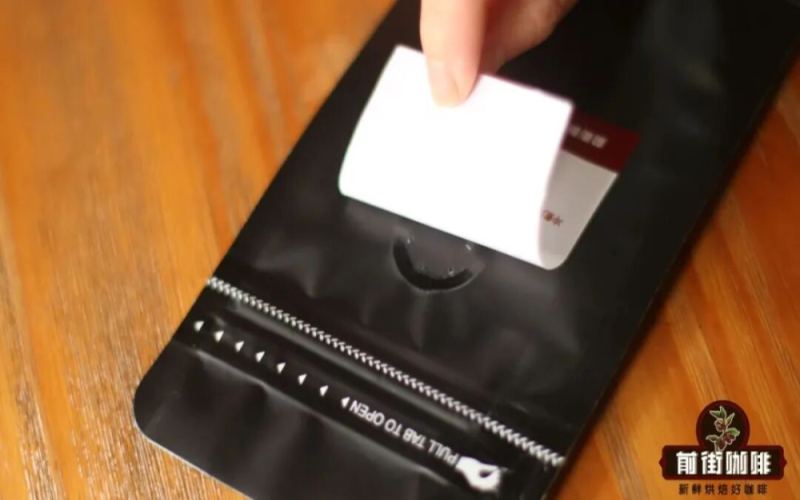
How Long Can Ground Coffee Be Stored? Is Refrigeration Feasible and an Analysis of Proper Storage Methods
Freshly ground coffee always has a superior aroma, but to save the step of grinding, many friends choose to have the merchant grind the coffee beans into powder in advance. So, how long can coffee grounds actually be kept? How many days is the peak flavor period? Is storing them in the refrigerator really reliable? This article will start with the optimal flavor period of coffee beans, combine Front Street Coffee's comparative experiments, and provide a detailed analysis of how the flavor of ground coffee changes over time, along with correct storage recommendations to help you preserve that precious fresh aroma as much as possible. [more…]
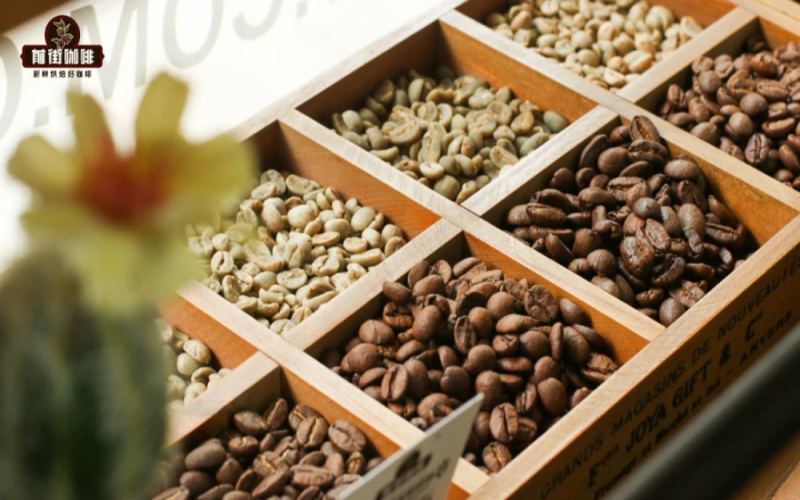
Cold Brew Coffee Tutorial: From Principles to Practice, with Front Street Coffee Bean Recommendations and Refrigeration Storage Tips
Cold brew coffee has won increasing favor among coffee lovers in recent years thanks to its silky mouthfeel and clean flavor. So how exactly does it differ from regular iced coffee? And which coffee beans are better suited to low-temperature extraction? In this article, Front Street Coffee will walk you through the extraction principles and flavor characteristics of cold brew, and recommend three Front Street Coffee beans for different taste preferences—Huakui, Butterfly, and Strawberry Candy. We'll also share the specific steps for making a single serving of cold brew, along with grinding parameters and coffee-to-water ratio. Finally, we'll explain how long filtered cold brew can be stored in the refrigerator, helping you enjoy cold brew safely and with peace of mind at home. [more…]
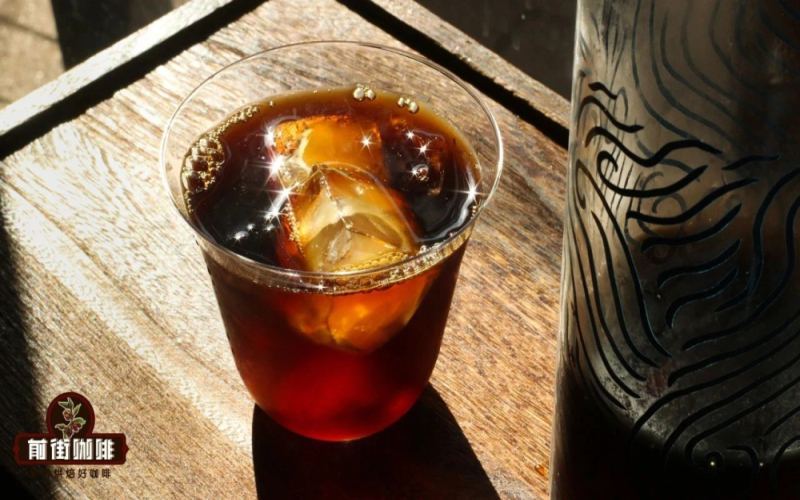
The Best Drinking Window for Hot Pour-Over and Cold Brew / Ice Drip Coffee: How Long Can It Be Stored After Brewing?
In the heat of summer, a glass of iced coffee always refreshes you instantly. But whether it's hot pour-over left to cool, or cold brew and ice drip coffee stored in the fridge, each has its own window of peak flavor. This article uses Front Street Coffee's Kenya Asalia as an example, first introducing the brewing parameters and flavors of hot pour-over and Japanese-style iced pour-over coffee, then breaking down in detail the methods, coffee-to-water ratios, extraction times, and refrigeration recommendations for cold brew and ice drip coffee. You'll learn: why hot black coffee should be finished before it cools completely, how cold brew coffee's flavor evolves within 5 days of refrigeration, why ice drip coffee is best consumed within 3–4 days, and how to adjust drinking timing based on fermentation time, so that every glass of iced coffee is at its best. [more…]
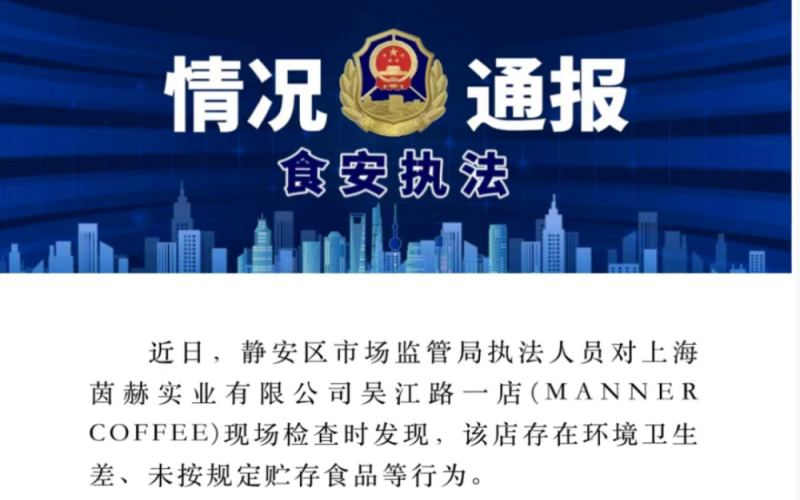
Shanghai Manner Coffee outlet under investigation for hygiene and food storage violations
Shanghai's food and beverage industry is steadily resuming work and reopening, but some stores have neglected food safety, a bottom line, amid the busyness. Recently, law enforcement officers from the Jing'an District Market Supervision Bureau found during an inspection that the Manner Coffee Wujiang Road store had problems such as dirty and messy environmental hygiene and food not being stored according to regulations. Waste was scattered on the floor at the scene, food for sale was placed directly on the ground, and Meiji milk that needed refrigeration was also left casually. Because it is suspected of violating relevant provisions of the Food Safety Law, the store has been officially placed under investigation. The regulatory authorities remind food and beverage units to strictly fulfill their primary responsibilities and ensure the safety of meals served. [more…]
What is the difference between ice drip and cold brew? Does cold brew count as black coffee? A complete guide to choosing coffee beans for low-temperature extraction and making it
Coffee doesn't have to be brewed with hot water—cold water can also extract surprisingly delightful flavors. Ice drip and cold brew are two common low-temperature extraction methods: the former uses ice water for drip filtration, while the latter uses ice water for immersion, and the resulting cups have their own distinctive mouthfeel profiles. This article will start from the essential differences between the two, explain how cold water extraction and hot water extraction differ in flavor expression, answer whether cold brew counts as black coffee, and share recommended bean varieties suitable for making low-temperature coffee. It will then break down in detail the operating steps, grinding parameters, and coffee-to-water ratios for ice drip coffee and cold brew coffee, and finally offer suggestions on refrigeration storage time, helping coffee enthusiasts consistently make clean, full-bodied cold coffee at home. [more…]
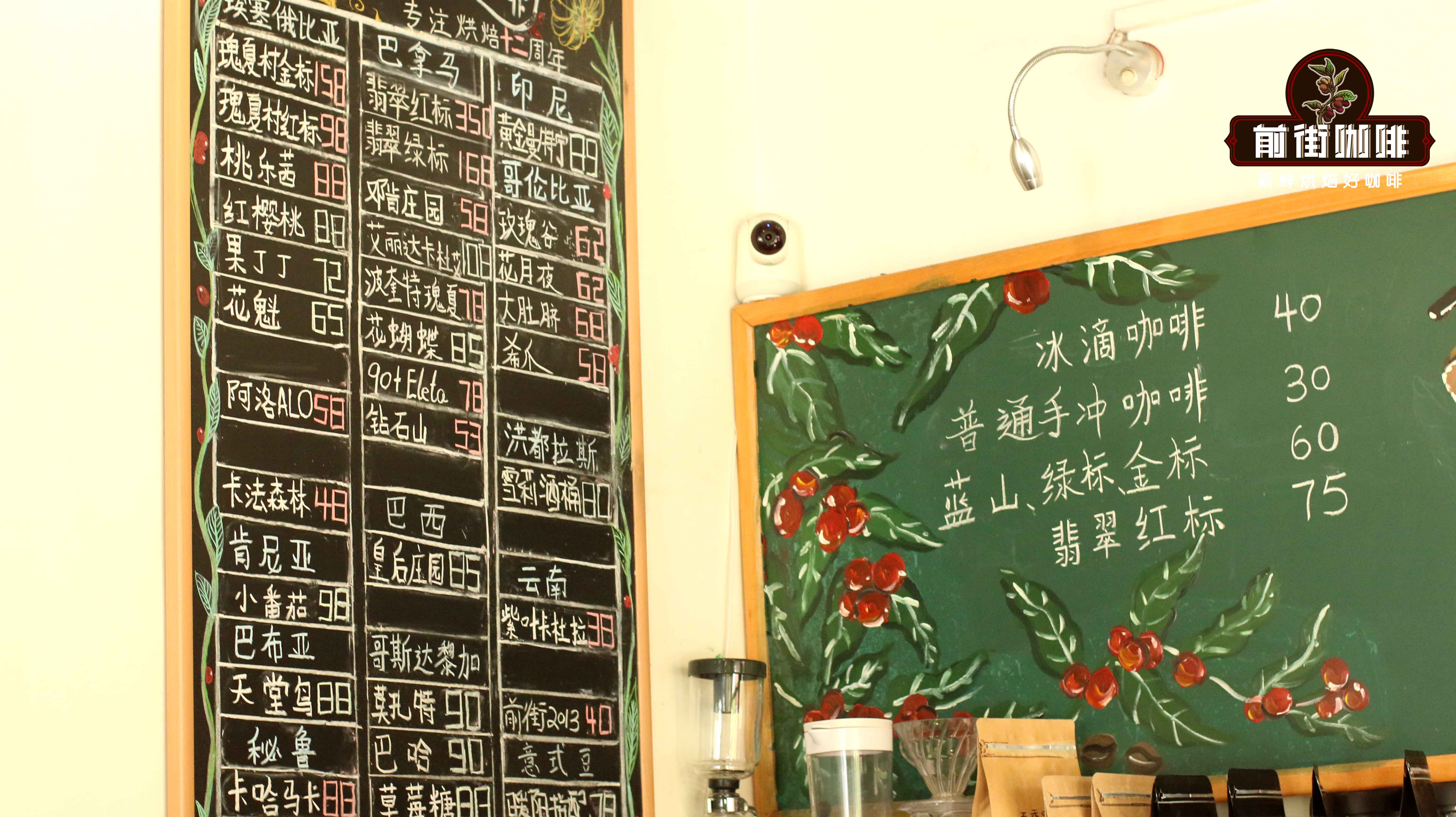
Three Major Taboos in Coffee Bean Storage and Analysis of Freezing Feasibility: Practical Tips from Moisture Prevention to Thawing
As the Spring Festival approaches, courier services are gradually suspending operations, and many coffee lovers have already stocked up on beans in advance. But how to keep coffee beans fresh during this period has become a concern for everyone. Storing coffee beans requires avoiding three major enemies: high temperatures, moisture, and oxidation. High temperatures accelerate the loss of aroma, moisture easily leads to mold, and oxidation shortens the optimal flavor period. Front Street recommends that unopened original packaging be kept in a cool, dry place, and that an airtight container be used after opening. As for refrigeration or freezing, although it can slow oxidation, it comes with the challenges of absorbing odors and becoming damp during thawing. This article will break down these storage points in detail to help you enjoy the New Year with peace of mind. [more…]
The Complete Guide to Keeping Coffee Beans Fresh: Best-By Dates, Storage Mistakes, and the Right Way to Store Them
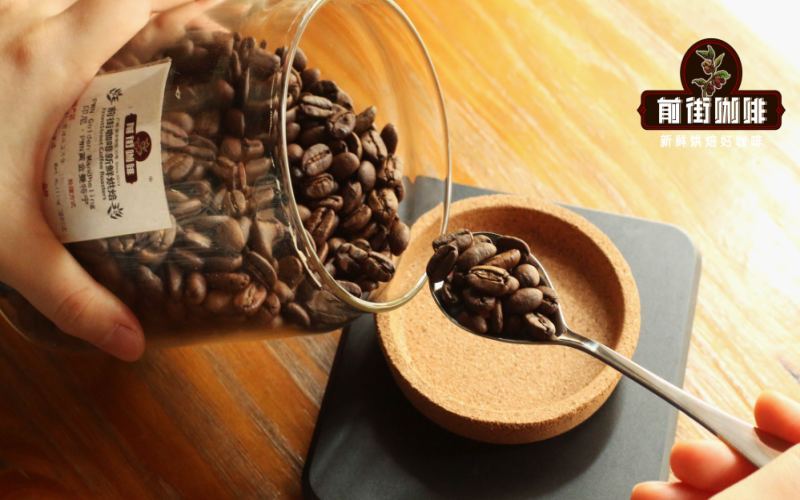
The freshness of coffee beans directly determines the flavor performance of a cup of coffee, and whether the storage method is appropriate is the key factor affecting the freshness of coffee beans. From the professional perspective of Front Street Coffee, this article systematically sorts out the two major categories of coffee bean storage—the different precautions for green beans and roasted beans—deeply analyzes the mechanisms of the three major freshness "killers": light, high temperature, humidity, and oxygen, and provides two practical storage solutions: one-way exhaust valve packaging bags and vacuum-sealed canisters. The article will also answer how long coffee beans can actually be stored, the difference between the peak flavor period and the shelf life, why refrigeration is not recommended, and clever ways to reuse expired beans, helping coffee lovers maximize the retention of the best flavor of every bag of beans. [more…]
Analysis of Ice Drip and Cold Brew Coffee Storage Time in the Refrigerator: Why the Flavor Is Better After 12 Hours of Chilling
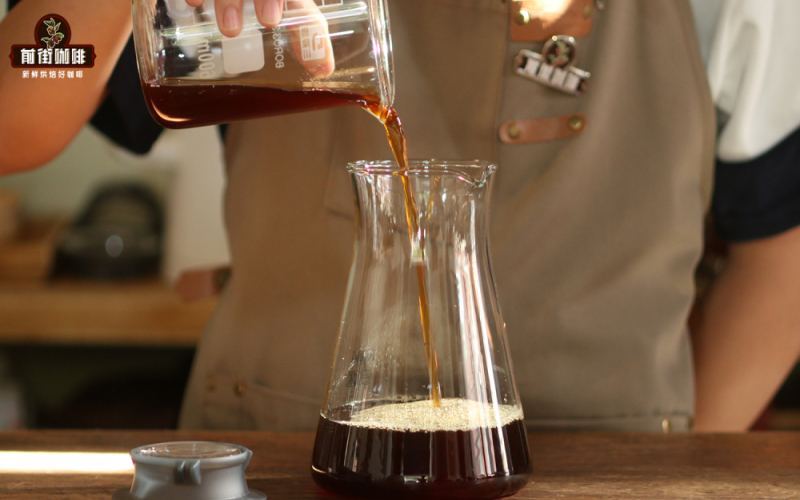
In recent years, more and more coffee enthusiasts have begun trying their hand at making cold brew and ice drip coffee at home, and the ice drip coffee produced by Front Street Coffee is often in short supply. Many friends are concerned about: how long can this kind of low-temperature extracted iced coffee be kept after being placed in the refrigerator? Why does ice drip coffee actually taste better after 12 hours of refrigeration? This article will focus on the principles of low-temperature extraction, equipment selection, coffee bean recommendations, and the flavor evolution during refrigeration, systematically answering the shelf life and optimal drinking time of iced coffee, helping you both enjoy great taste and ensure safety. [more…]
Can You Make Cold Brew with Hot or Warm Water? Flavor Comparison Experiment of Quick-Extracted Cold Brew Coffee at Different Water Temperatures
Cold brew coffee usually requires 8 to 12 hours of low-temperature slow extraction, but what if you want to drink it the same day? Raising the water temperature can speed up extraction, but if you use hot water directly, it becomes hot brew, and the floral and fruity aromas and low bitterness unique to cold brew will also disappear. Front Street compared three methods through experiments: conventional 23°C cold water extraction for 10 hours, 40°C warm water extraction for 4 hours, and 92°C hot water blooming followed by room-temperature water extraction for 4 hours. The beans used were Colombia · Hanami, with full berry acidity, floral notes, and pink pepper flavors. The results showed that the 40°C warm water rapid cold brew was closest to the performance of conventional cold brew, with both a fermented feel and clearly presented flavors, making it suitable for friends who want to drink cold brew quickly. [more…]
Cold Brew Coffee Bean Selection Guide and Home Brewing Method: A Complete Analysis from Grinding, Flow Rate to Refrigerated Fermentation
Ice drip coffee, through its pure ice drip filtration and low-temperature fermentation process, presents a mellow, sweet, and refreshingly cool taste, making it a highly favored coffee beverage in summer. Starting from the store practices of Front Street Coffee, this article systematically sorts out the differences between the two common methods of low-temperature extraction—cold brew and ice drip—and explains in detail the structure of the ice drip pot, the choice of grind size, the control of drip speed and coffee-to-water ratio, as well as the grasp of refrigeration fermentation duration. At the same time, focusing on the two major directions of refreshing floral and fruity notes and rich fruity tea notes, it recommends two coffee beans suitable for making ice drip coffee, Front Street Elida Estate Catuai and Front Street Natural Huakui, helping enthusiasts recreate at home a clean-flavored, richly layered ice drip coffee. [more…]

No Ice Drip Pot Needed: Homemade Ice Drip Coffee Tutorial and Cold Storage Duration Guide
In hot weather, a glass of cold brew coffee always brings a refreshing coolness. Front Street Coffee's cold brew has recently been in short supply, and many people choose it not only because its flavor differs from ordinary iced coffee, but also because they feel they can't make it at home. In fact, with just a dripper, a few filter papers, ground coffee, and ice cubes, you can put together a simple "home-version cold brew tower." This article breaks down in detail the equipment, parameters, operating steps, and common mistakes of this method, while also explaining the extraction impact caused by the structural differences between a dripper and a cold brew tower, and providing a list of Front Street beans suitable for making cold brew. Finally, it will also explain how long cold brew coffee needs to be refrigerated and fermented after it is formed, as well as how long it can be stored under refrigeration and at room temperature respectively. [more…]
Cold Brew Coffee vs. Cold Brewing and Ice Drip: A Complete Guide to the Differences and Step-by-Step Home Brewing Tutorial
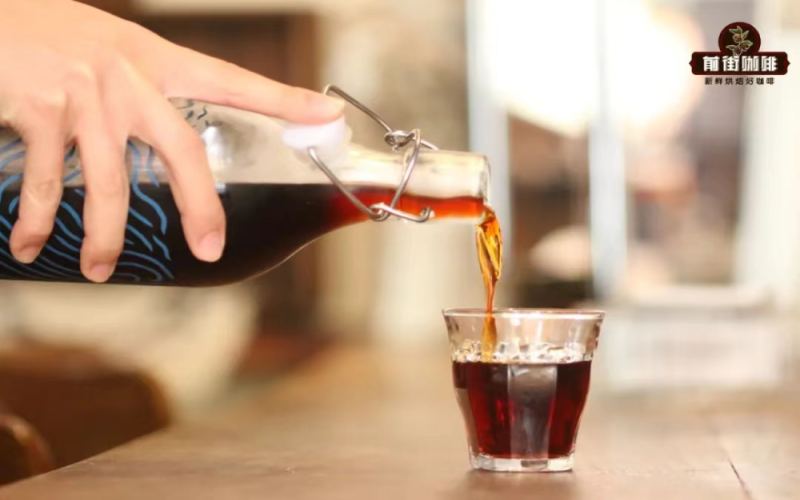
Cold brew, cold brew immersion, and ice drip coffee are three names that are often used interchangeably, leaving many coffee enthusiasts confused. This article approaches the topic from Front Street's perspective, first clarifying the differences between the three in terms of definitions and extraction principles, then explaining their respective taste characteristics. It then offers suggestions for bean selection for cold brew coffee, recommending Front Street Fruit Ding Ding, Front Street Huakui, Front Street Xizhao, and other beans suitable for summer cold brew. Finally, it includes a simple cold brew method covering grind size, coffee-to-water ratio, the effect of refrigeration time on flavor, as well as filtering and resting steps, to help readers make a fragrant, clean-tasting cold brew coffee at home. [more…]
Complete Iced Drip Coffee Making Tutorial: Practical Points from Extraction Parameters to Refrigerated Storage
Cold brew coffee was originally invented to make coffee last longer. Extracting with cold water does not draw out large amounts of coffee oils the way hot water does, so if stored properly in the refrigerator, it can keep for a month without any problem. After three days of aging, the flavor becomes even mellower. However, cold water extraction takes a very long time—common methods can even require dripping for more than 24 hours—and the caffeine concentration is relatively high. In fact, when making it at home, using room-temperature water instead of ice water works just as well and can shorten the time. This article will explain in detail the complete cold brew process, including sterilizing equipment, choosing grind size, the coffee-to-water ratio, controlling drip speed, and how to prevent refrigerator odors from affecting the coffee's flavor, helping you make a rich and aromatic cup of cold brew coffee. [more…]